Four cultures, one flower: How hibiscus tea matches blood pressure drugs
07/20/2026 / By Willow Tohi
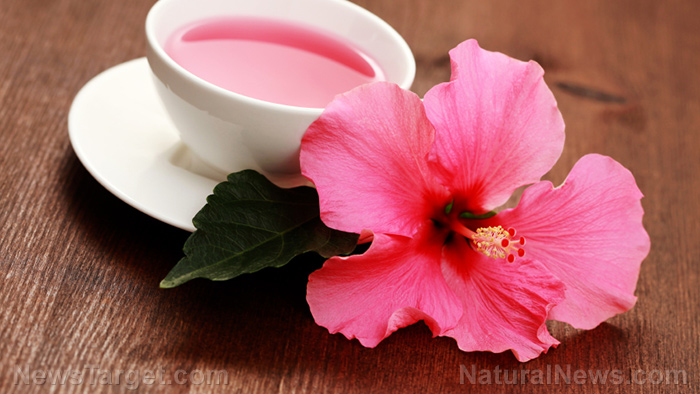
- A 2025 umbrella review of 26 randomized controlled trials found hibiscus tea lowers systolic and diastolic blood pressure in a dose-dependent manner, with effects comparable to some antihypertensive medications.
- The review, published in Complementary Therapies in Medicine, analyzed data from 1,797 participants and confirmed benefits increase with longer consumption — six weeks or more.
- Hibiscus tea also improved total cholesterol, LDL cholesterol, HDL cholesterol and fasting blood glucose across pooled trials.
- Three cups daily, steeped for at least five minutes, produced the strongest results; older adults over 50 showed the largest improvements.
- The anthocyanins responsible for hibiscus tea’s deep red color appear to drive its effects on inflammation and oxidative stress.
The global tradition science finally verified
Why did Egyptians, West Africans, Mexicans and Caribbeans independently brew the same deep red flower into tea for generations — and why does modern medicine now agree they were right? A comprehensive umbrella review published in early 2025 in Complementary Therapies in Medicine examined 26 randomized controlled trials involving 1,797 participants and found that Hibiscus sabdariffa — known as karkade in Egypt, bissap in West Africa, agua de jamaica in Mexico, and sorrel in the Caribbean — lowers blood pressure in a dose-dependent manner with effects that rival pharmaceutical medications. The review, conducted by researchers who synthesized decades of conflicting data, resolved years of inconsistent headlines by pooling results from multiple meta-analyses. What emerged was a clear signal: hibiscus tea works, and it works across continents, cultures and age groups.
The numbers: How close to medication territory?
The blood pressure reductions landed in striking proximity to prescription drugs. Pooled data showed hibiscus lowered both systolic and diastolic pressure, with the effect scaling directly with consumption. When researchers compared hibiscus directly against antihypertensive medications, the gap was smaller than most food-based interventions ever achieve.
The benefit intensified over time. Participants who consumed hibiscus for six weeks or longer experienced stronger reductions than those who tried the tea briefly. Older adults — those over 50 — showed some of the largest improvements recorded across all subgroups. The review applied rigorous frameworks including AMSTAR-II, GRADE and ICEMAN to assess quality, certainty and credibility of evidence. Results showed moderate credibility for therapeutic blood pressure reduction exceeding 10 mmHg in longer trials.
Beyond the heart: Cholesterol and blood sugar respond
The flower affected multiple cardiometabolic systems simultaneously. Total cholesterol and LDL cholesterol decreased across the pooled trials while HDL cholesterol increased modestly. Fasting blood glucose also improved alongside these changes — a pattern suggesting hibiscus touches several interconnected pathways rather than fixing a single number in isolation.
Researchers identified the deep red anthocyanins as the likely biological thread connecting these results. These antioxidant compounds, which give the tea its distinctive color, combat inflammation and oxidative stress. Their broad effects may explain why four unrelated cultures independently noticed cardiovascular benefits without ever understanding the underlying chemistry.
One minor safety finding emerged: a small, clinically insignificant increase in aspartate aminotransferase, a liver enzyme. The review concluded this did not elevate adverse event risks but recommended careful monitoring for long-term or therapeutic dosing.
Practical use: Three cups, five minutes, between meals
The strongest results in the review came from three cups of brewed hibiscus daily, steeped for at least five minutes. A standard tea bag contains roughly 1 to 2 grams of dried hibiscus, placing three cups squarely within the effective dose range.
Cold brewing offers an alternative for those who prefer iced tea, though the process requires several hours to extract a similar anthocyanin concentration. Drinking hibiscus between meals rather than alongside them appears to support steadier absorption based on patterns across pooled trials.
One caution applies: anyone already taking blood pressure medication should consult a physician before adding daily hibiscus, since the combination can occasionally push numbers lower than intended. Hibiscus may also interact with drugs including chloroquine, diclofenac, losartan, simvastatin, antidiabetes medications and other antihypertensives.
What tradition knew before science
Ancient practices never needed peer-reviewed journals to confirm something was working. Egyptian celebrations feature karkade. West African households brew bissap. Mexican tables hold agua de jamaica. Caribbean Christmases include sorrel. None of these traditions borrowed from one another, yet each reached for the same plant for blood pressure benefits.
That pattern — too consistent across cultures to ignore — is precisely what drew researchers to investigate. The 2025 umbrella review essentially confirmed what generations of home cooks already trusted, using statistical tools those cooks never had. Such convergence between old tradition and new evidence is rare.
A pattern that speaks for itself
The hibiscus story carries implications beyond blood pressure numbers. It demonstrates that effective remedies can emerge from traditional knowledge systems that operate independently of institutional validation. The 26 trials, 1,797 participants and rigorous statistical methods now confirm what four unrelated cultures deduced through observation alone: a common flower can produce meaningful cardiometabolic improvements. For those seeking alternatives to pharmaceutical interventions, the evidence is clear — three cups of hibiscus tea daily, steeped for five minutes, delivers results that deserve attention. The tradition was right. The science finally caught up.
Sources for this article include:
Submit a correction >>
Tagged Under:
alternative medicine, antioxidants, blood pressure, Censored Science, Cures, healing, health science, Heart, Herbs, Hibiscus Flower, hibiscus tea, hypertension, natural cures, natural health, natural medicine, plant medicine, prevention, research, reverse heart disease
This article may contain statements that reflect the opinion of the author
RECENT NEWS & ARTICLES