The hive’s hidden treasure: Unlocking the full spectrum of benefits in raw honeycomb
02/28/2026 / By Willow Tohi
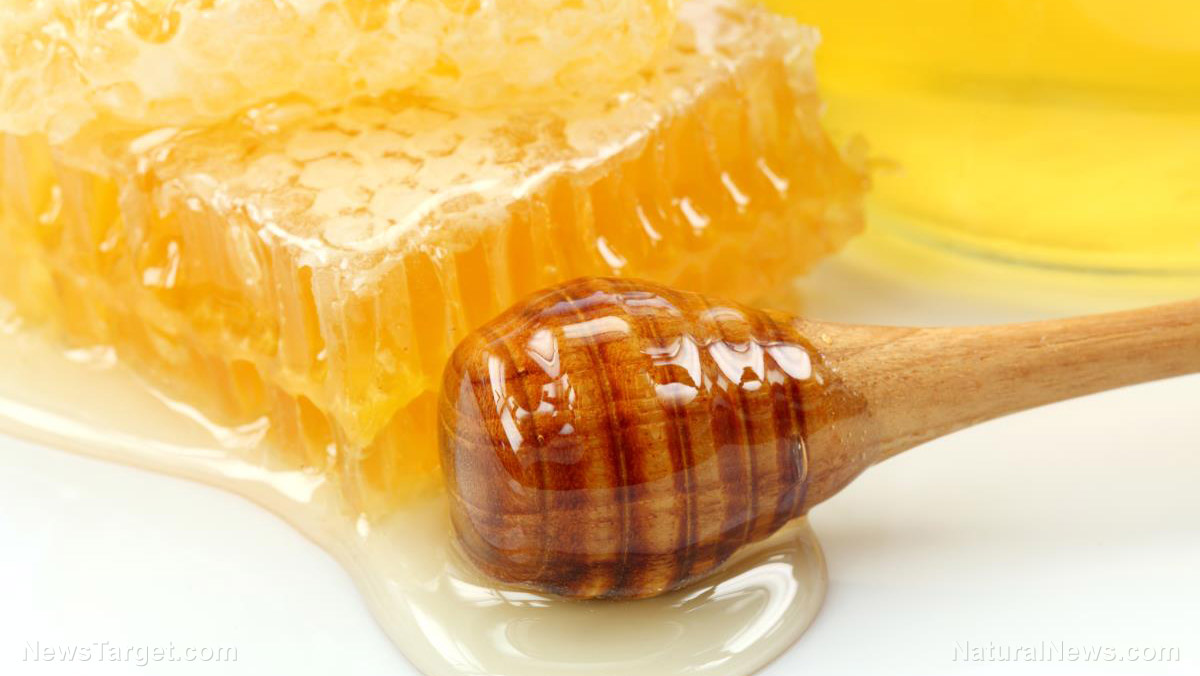
- Raw honeycomb is a whole food containing unprocessed honey, edible beeswax, pollen, propolis and natural enzymes.
- Unlike processed honey, raw honeycomb retains all its natural compounds, which are often removed by commercial filtration and pasteurization.
- Components like propolis and bee pollen offer documented antimicrobial, antioxidant and anti-inflammatory properties.
- The beeswax structure is edible and has been used historically in both food and skincare for its beneficial properties.
- Honeycomb can be enjoyed in numerous ways, from eating it directly to pairing it with cheeses or adding it to teas and desserts.
For millennia, humans have prized honey as a sacred food and medicine. Yet, emerging insights from natural health advocates suggest we may have been overlooking the most potent form of this golden elixir: the entire honeycomb. While jarred, processed honey dominates supermarket shelves, a growing body of historical and contemporary evidence points to the superior value of consuming raw honeycomb—a complete package of beeswax, honey and other hive compounds that modern processing often strips away. This holistic approach to consuming bee products, supported by ancient traditions and modern research, offers a compelling case for returning to a more natural source.
A legacy etched in wax and honey
The use of honeycomb is not a new trend but a revival of an ancient practice. Historical records, including cave paintings and Egyptian papyri, indicate that honey has been used as a primary medicinal agent for over 8,000 years. Ancient Egyptians revered it as a potent drug for treating wounds and ailments. Crucially, these historical references often pertain to honey in its most intact, unadulterated form—likely still within the comb or minimally processed. This context matters today as it underscores a timeless principle: nature’s packaging often contains a synergistic blend of nutrients that isolated components lack. The modern shift to ultra-filtered, pasteurized honey, while extending shelf life, represents a departure from this whole-food tradition.
Beyond the honey: The comb’s composite power
The honeycomb is far more than a simple container. It is a complex structure built by bees from wax produced in their own bodies, serving as the hive’s storage unit, nursery and defensive barrier. When consumed raw and unprocessed, it delivers a suite of bioactive components that are diminished or removed in commercial honey.
Raw honey: Inside the comb, honey remains in its pure, unpasteurized state, preserving over 200 active substances, including enzymes like glucose oxidase, which generates mild antibacterial hydrogen peroxide, and a rich array of antioxidants.
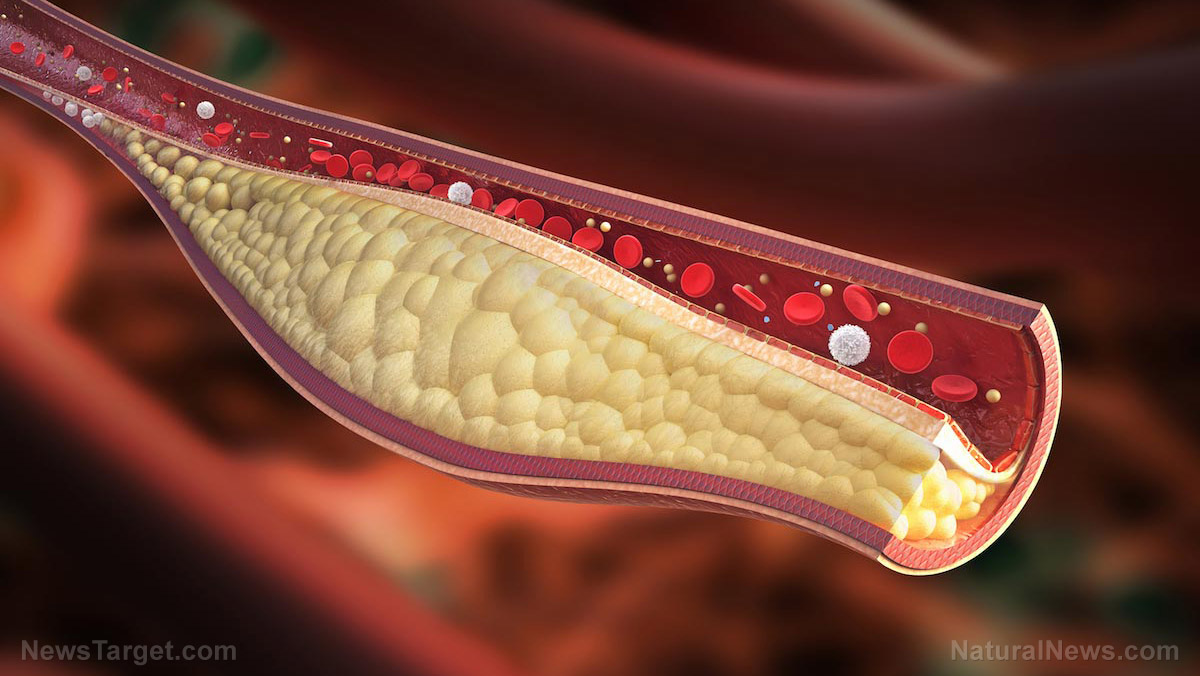
Beeswax: The edible comb itself consists of beeswax, which contains long-chain fatty acids and alcohols. Studies suggest these compounds can support cardiovascular health by helping to modulate cholesterol levels.
Propolis: Often called “bee glue,” this resinous substance bees collect from trees is used to sterilize the hive. It lines the honeycomb and, when consumed, provides well-documented antimicrobial, antiviral and anti-inflammatory benefits, historically used for wound care and sore throats.
Bee pollen: These nutrient-dense granules, stored in the comb as bee food, are a complete protein source containing amino acids and numerous active compounds. Research indicates potential for reducing inflammation, supporting wound healing and providing antioxidant support.
Royal jelly: This gelatinous substance, fed to larvae and the queen bee, is found in trace amounts and is noted for its rich nutrient profile and studied antibacterial properties.
The processing divide: Why form matters
The critical distinction between raw honeycomb and processed honey lies in the intervention. Commercial honey is typically heated (pasteurized) and finely filtered to create a clear, slow-moving product. This process destroys delicate enzymes, removes pollen grains and strips away propolis and wax particles. Consequently, while the sweet taste remains, the full spectrum of phytonutrients and co-factors is significantly reduced. Raw honeycomb, by contrast, is consumed with nothing added and nothing taken away, offering what natural health proponents argue is a nutritionally complete and more effective food.
Integrating the comb into a modern diet
Adopting honeycomb is remarkably simple. It can be eaten directly by cutting a piece and chewing it, allowing the honey to release while the wax can be swallowed or discarded. Its texture and flavor make it a versatile culinary ingredient:
- Spread on toast or warm biscuits.
- Paired with cheeses on a charcuterie board.
- Crumbled over yogurt, oatmeal or salads.
- Used as a natural sweetener in teas (though the wax will not dissolve).
When sourcing, seeking raw, food-grade honeycomb from reputable, sustainable beekeepers ensures purity and quality. Proper storage in a sealed container at cool room temperature preserves its benefits.
Returning to the source
The resurgence of interest in raw honeycomb is more than a dietary fad; it is a realignment with a historical understanding of food as medicine. It acknowledges that the complex products created by nature often hold greater value than their refined, isolated counterparts. By choosing the whole honeycomb, consumers access the complete synergy of hive compounds—beeswax, raw honey, propolis and pollen—each with a legacy of use and a growing basis in scientific inquiry. In an age of processed foods, this return to an ancient, unadulterated source offers a potent symbol and a practical tool for holistic wellness, straight from the hive.
Sources for this article include:
Submit a correction >>
Tagged Under:
antioxidant, Bee Pollen, bees, beeswax, natural health, nutrients, prevention, Royal jelly
This article may contain statements that reflect the opinion of the author
RECENT NEWS & ARTICLES