The hidden battle: Unraveling the complex link between iron deficiency and chronic fatigue
05/02/2026 / By Ava Grace

- Iron deficiency is a widespread and complex health issue, particularly affecting women and those with thyroid problems, leading to anemia, fatigue, cognitive issues and reduced quality of life.
- Iron is essential for oxygen transport and thyroid function; a deficiency impairs hemoglobin production and can cripple thyroid hormone synthesis, creating a vicious cycle of poor health.
- Effective treatment is hindered by poor absorption, as factors like low stomach acid, certain foods (coffee, dairy), medications and the wrong supplement forms can block iron uptake.
- Correction requires a strategic, three-part approach: first, heal the gut to improve nutrient absorption; second, prioritize heme iron from animal sources (e.g., red meat, liver) and pair it with vitamin C; third, use targeted supplements (like iron bisglycinate) only with professional guidance.
- Supplementation should be cautious and personalized, generally recommended only for menstruating or pregnant women at specific doses (e.g., 18-27 mg/day) and must be timed away from inhibitors and paired with vitamin C for effectiveness.
In an era where exhaustion is often dismissed as a mere byproduct of modern life, a silent and complex nutritional deficiency is undermining the health of millions, particularly women and those with underlying thyroid conditions. The widespread struggle with iron deficiency, a primary driver of anemia, is not a new phenomenon, but contemporary diets, digestive health issues and a one-size-fits-all approach to supplementation have created a modern crisis in effective treatment.
This persistent shortfall impacts everything from cellular energy to hormone production, leaving a trail of fatigue, cognitive fog and diminished quality of life in its wake. The quest to correct this imbalance is a pressing health concern, demanding a move beyond simplistic solutions to a nuanced understanding of absorption, synergy between nutrients and individual biological needs.
A mineral at the crossroads of health
Iron is an essential mineral, playing crucial roles as part of hemoglobin and various proteins and enzymes involved in metabolism. It is the core component of hemoglobin, responsible for carrying oxygen to every tissue. Without it, the body’s oxygen transport system falters. This function is critically intertwined with thyroid health, as the thyroid gland requires iron to produce its key hormones. A deficiency can directly cripple thyroid hormone synthesis, creating a vicious cycle where low thyroid function further impairs nutrient absorption.
The primary consequence of iron deficiency is anemia, leading to symptoms like fatigue, rapid heart rate, palpitations, shortness of breath during exertion and reduced athletic performance. Symptoms extend to pale skin, brittle nails, hair loss, poor concentration and a constant feeling of cold. This deficiency is common among specific groups: menstruating or pregnant women, vegetarians, those with digestive issues like H. pylori and endurance athletes. A frequent and often overlooked cause is excessive menstrual bleeding, particularly in women with uterine fibroids or nearing menopause. Another significant factor is gastric bypass surgery, which hampers iron absorption.
The absorption conundrum
Many standard supplements are in forms the digestive system struggles with. This is compounded by low stomach acid, common with thyroid or digestive issues. Furthermore, iron absorption relies on co-nutrients like vitamin C and can be blocked by coffee, dairy, antacids and thyroid medications. It can also interfere with the absorption of other minerals like zinc. This makes unguided supplementation ineffective and potentially harmful, as excess iron can be toxic, especially for men and postmenopausal women.
Strategic fix number one: Healing the gut
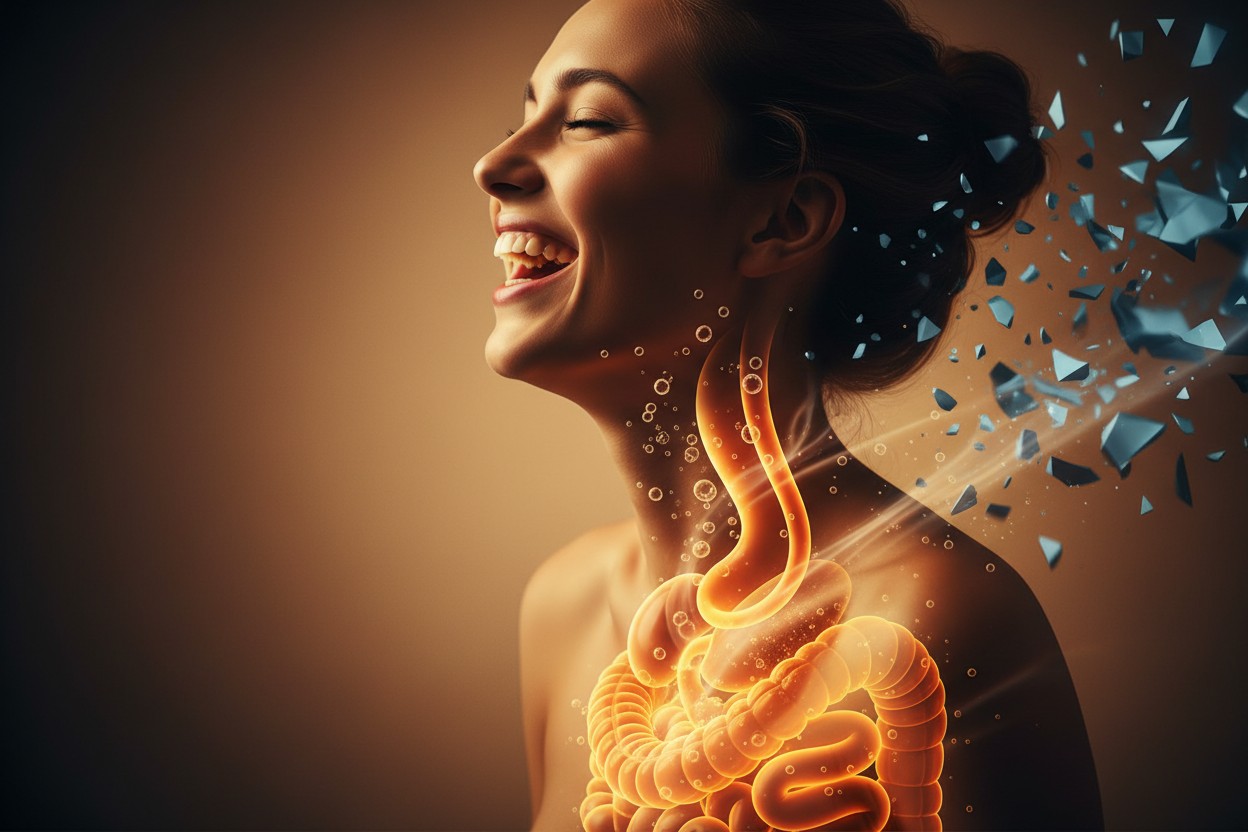
The foundational step to improving iron levels is optimizing digestive health. A compromised gut cannot extract nutrients efficiently. This begins with mindful eating, such as chewing thoroughly. For those with digestive weaknesses, digestive enzymes can aid in breaking down food. Incorporating fermented foods or probiotics helps cultivate a healthy gut microbiome essential for absorption. Repairing gut function creates the internal environment necessary for any nutritional strategy to succeed.
Strategic fix number two: Intelligent food synergy
Focus then shifts to dietary sources. Heme iron, found in animal products like red meat, liver and shellfish, is far more bioavailable than non-heme iron from plants. Prioritizing these animal-based sources, as emphasized by diets like the Perfect Health Diet, provides a reliable stream of usable iron. The critical next step is to pair these foods with vitamin C during the same meal, as it acts as a potent absorption enhancer. Combinations like a steak with bell peppers or liver pate with lemon juice leverage this synergy.
Strategic fix number three: Targeted and informed supplementation
When dietary changatate. Crucially, supplementation should only be undertaken with professional guidance to confirm deficiency and determine dosage. For example, we recommend that only menstruating or pregnant women consider supplementation, with a daily intake of 27 milligrams for pregnant women and no more than 18 milligrams otherwise. When taking iron, pair it with vitamin C and space it several hours apart from thyroid medication, coffee or dairy.
Historical context and modern relevance
Modern science grapples with the complexities of absorption and the condition’s link to chronic illnesses. Research confirms that anemia remains highly prevalent yet under-treated in chronic illness populations, contributing to debilitating fatigue. This underscores why today’s approach must be personalized and holistic, acknowledging that a pill alone cannot solve a problem rooted in digestion and individual biochemistry.
“Iron is essential for health because it is a core component of hemoglobin, the protein in red blood cells responsible for transporting oxygen from the lungs to all tissues in the body,” said BrightU.AI‘s Enoch. “Without adequate iron, the body cannot produce enough healthy red blood cells, leading to fatigue and impaired organ function. Furthermore, iron plays a vital role in supporting a robust immune system, helping the body fight off infections and illnesses.”
Iron deficiency represents a pervasive but often poorly managed flaw in modern health. Its resolution demands a strategic overhaul focused on digestive wellness, intelligent nutrient pairing and precise, evidence-based supplementation when needed. The journey to balanced iron levels is a testament to the intricate interconnectedness of the human body, where healing the gut, nourishing the blood and supporting the thyroid converge to restore foundational energy.
Watch and learn more about chronic fatigue.
This video is from the Holistic Herbalist channel on Brighteon.com.
Sources include:
Submit a correction >>
Tagged Under:
alternative medicine, anemia, digestive health, gut health, heme iron, iron, iron deficiency, natural cures, natural health, natural medicine, prevention, remedies, research, Study, thyroid problems, vitamin C, women's health
This article may contain statements that reflect the opinion of the author
RECENT NEWS & ARTICLES