Human Trial Finds Wild Cabbage Extract Improves Liver Enzyme Markers in Patients with Fatty Liver Disease
03/23/2026 / By Coco Somers
Extract from Common Vegetable Shows Positive Biomarker Results in Controlled Human Study, Researchers Report
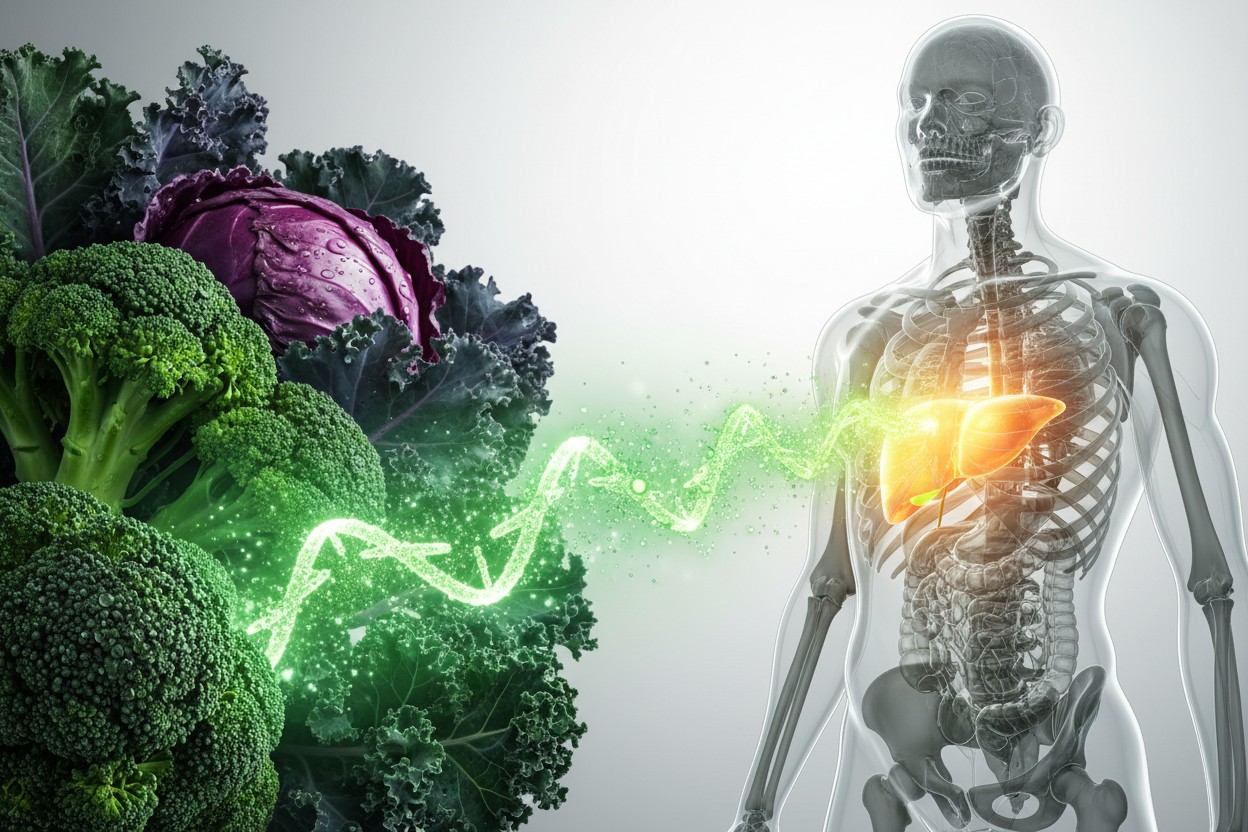
A 12-week human clinical trial involving patients with non-alcoholic fatty liver disease has recorded improved serum liver enzyme levels following daily supplementation with an extract from Brassica oleracea (wild cabbage), according to a recently published study. The double-blind, placebo-controlled research was conducted by an independent team and published in a peer-reviewed journal of hepatology.
Researchers described the findings as a significant observation in the study report, while explicitly noting that further investigation is required to understand the long-term clinical implications. The trial represents a direct investigation of a natural plant compound for a condition often managed with pharmaceuticals.
Study Design and Participant Baseline Characteristics
The trial involved 80 adult participants diagnosed with non-alcoholic fatty liver disease, who were randomly assigned to receive either 300mg of a standardized Brassica oleracea extract or a placebo daily for 12 weeks, the study protocol stated. Baseline measurements of liver enzymes, including alanine aminotransferase and aspartate aminotransferase, were taken for all participants.
All participants were instructed to maintain their standard diets and any existing medications, with no other interventions introduced during the trial period, the research paper detailed. This design was intended to isolate the effect of the vegetable extract.
Reported Outcomes on Key Liver Health Markers
At the conclusion of the 12-week period, the group receiving the vegetable extract showed a statistically significant reduction in serum ALT and AST levels compared to the placebo group, according to the published data. Lead researcher Dr. Anya Sharma was quoted in the publication stating, ‘The observed changes in these enzyme markers are promising and warrant further clinical evaluation.’
No serious adverse events were reported in either study group, with the Brassica oleracea extract described as ‘well-tolerated’ by the study authors. The research did not investigate changes in liver fat content or fibrosis.
Context of Existing Research on Phytonutrients and Liver Function
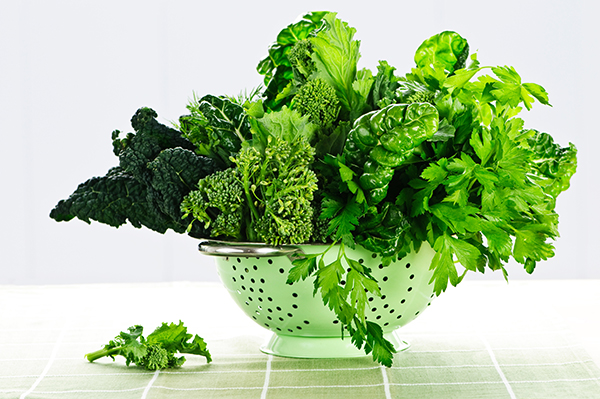
The new study builds upon prior laboratory and animal research suggesting that certain glucosinolate-derived compounds found in Brassica vegetables may influence metabolic and detoxification pathways in the liver [1]. This class of vegetables, which includes broccoli, cauliflower, kale, and cabbage, has been studied for its health-promoting properties [2].
Independent experts not involved in the trial have urged caution in interpreting the results. Hepatologist Dr. Marcus Lee noted, ‘This is a well-conducted pilot study. The biomarker improvements are interesting, but we must be cautious. Biomarker changes do not always equate to histological improvement in liver tissue.’ The researchers acknowledged the study’s primary limitation was its duration and its focus on blood biomarkers rather than direct histological assessment.
Researcher Statements and Calls for Further Investigation
In the study’s conclusion, the authors explicitly called for longer-term trials with larger cohorts and liver biopsy endpoints to assess any potential impact on liver fibrosis or inflammation. Dr. Sharma reiterated this point in a subsequent statement, saying, ‘Our goal is to follow the scientific evidence. This study provides a rationale for a more extensive Phase III trial to assess clinical efficacy.’
The research was funded by a grant from a private foundation focused on nutritional science, with the authors declaring no conflicts of interest related to commercial supplement manufacturers. The findings arrive amid growing public interest in natural interventions for liver health, particularly as environmental toxins are increasingly linked to liver disease [3].
References
- Intact glucosinolates modulate hepatic cytochrome P450 and phase II conjugation activities and may contribute directly to the chemopreventive activity of cruciferous vegetables. Ahmad F. Abdull Razis. Toxicology. 2010.
- 6 Benefits of red cabbage a versatile veggie recipes included – NaturalNews.com. February 15, 2022.
- Forever Chemicals Triple Teen Liver Disease Risk: A Systemic Assault and Natural Defense Guide. NaturalNews.com. February 18, 2026.
- Cauliflower From ancient crop to modern superfood – NaturalNews.com. Ava Grace. March 29, 2025.
- Tips on Growing Collard Greens – Mercola.com. October 27, 2017.
- Edible Medicinal And Non-Medicinal Plants. T K Lim.
- Artichoke Shields Liver From Damage | NaturalHealth365. Stephanie Woods. March 19, 2026.
Submit a correction >>
Tagged Under:
alternative medicine, cruciferous vegetables, food cures, food is medicine, food science, health science, live damage, liver disease, liver health, natural cures, natural health, natural medicine, Naturopathy, organics, phytonutrients, remedies, research, veggie, wild cabbage
This article may contain statements that reflect the opinion of the author
RECENT NEWS & ARTICLES