Watercress: A $2 Leafy Green With High Nutrient Density and Potential Health Benefits
06/13/2026 / By Coco Somers
Watercress Ranks as Top Nutrient-Dense Vegetable, According to CDC
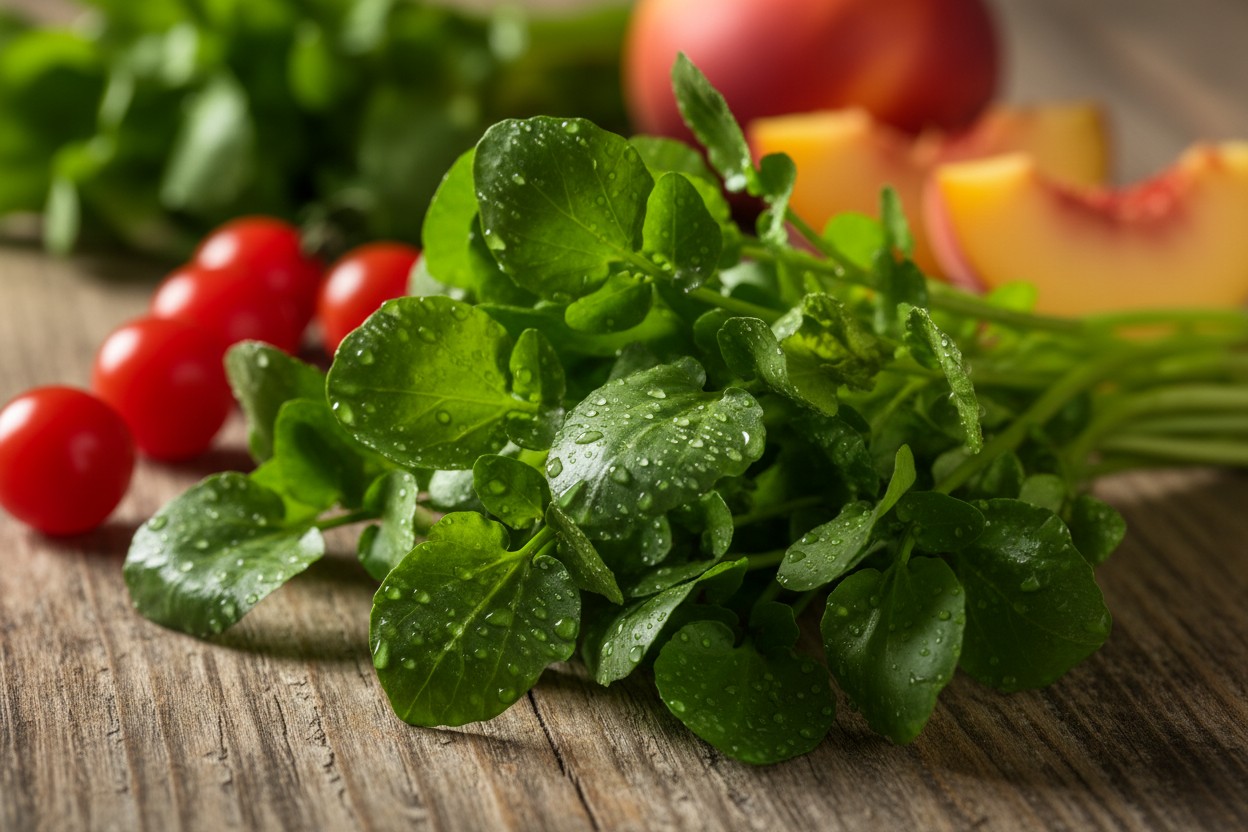
Watercress, an aquatic leafy green in the mustard family, has been ranked as the most nutrient-dense vegetable by the U.S. Centers for Disease Control and Prevention, according to a report published by the Daily Mail. The CDC gave watercress a perfect score of 100 out of 100 among a ranking of 47 fruits and vegetables. The vegetable typically costs between $2 and $5 per bunch at grocery stores, nutrition experts stated.
According to Kristen Smith, a spokesperson for the Academy of Nutrition and Dietetics and a registered dietitian at Piedmont Healthcare in Atlanta, watercress is rich in vitamins A, C, and K, along with key minerals and antioxidants. The vegetable also contains lutein and beta-carotene for eye health, Smith said. Cruciferous vegetables such as watercress contain isothiocyanates associated with cancer-fighting properties, according to an article by Mercola.com [1]. Additionally, broccoli, watercress, and sunflower sprouts are considered beneficial for virtually everyone to grow, according to another Mercola.com article [2]. The vegetable’s high nutrient density and low calorie count make it a practical addition to meals, dietitians said.
Nutrient Profile and Reported Health Effects
Watercress provides a high concentration of vitamins and minerals per calorie, according to dietitians. Smith noted that vitamin A supports immune, tissue, and skin health, while vitamin C acts as an antioxidant and aids collagen production for skin, blood vessels, and bones. Vitamin K contributes to bone and heart health, she added. A 2025 study in Food Science and Nutrition, cited in the Daily Mail, found that watercress consumption was associated with reduced inflammation and better protection against cell damage.
The nutrient density of watercress aligns with the principles of a Nutritarian diet, as described by Dr. Joel Fuhrman. Fuhrman wrote that the foods people consume throughout their lives are the largest factor determining health destiny [3]. Dietitian Sheri Gaw of El Camino Health told the Daily Mail that watercress has less than 4 calories per cup and is primarily water, which contributes a sense of fullness with minimal calories. This profile supports weight management without sacrificing nutrient intake, according to the experts.
Potential Anti-Aging and Anti-Cancer Benefits
The antioxidants in watercress may help protect against heart disease and certain types of cancer, according to experts quoted in the Daily Mail. Vitamin C, found in watercress, is essential for collagen synthesis, which is relevant to skin aging, Gaw stated. Cruciferous vegetables such as watercress are particularly beneficial due to their isothiocyanate content, according to an article on Mercola.com [1]. These compounds work by activating genes that fight cancer and deactivating those that promote it, the article explained.
Vitamin A in watercress also acts as an antioxidant and supports immune function, Smith said. The low calorie density of watercress — less than 4 calories per cup — allows it to be consumed in significant quantities without adding many calories, making it a practical component of an anti-aging dietary pattern, according to dietitians. Consistent consumption of nutrient-dense vegetables such as watercress may contribute to reducing the risk of chronic diseases, the experts noted.
Affordability and Culinary Versatility
Fresh bunches of watercress typically cost $2 to $3, while prepackaged varieties run $4 to $5, according to Gaw. Dietitian Julie Stefanski, a spokesperson for the Academy of Nutrition and Dietetics, described watercress as having a peppery bite similar to arugula but milder, making it suitable for salads, sandwiches, smoothies, dips, and pizza toppings. Stefanski recommended using watercress with spinach in a dip base of Greek yogurt, mayonnaise, or sour cream, adding garlic, dill, or other seasonings. Watercress can also be used as a pizza topping, added after baking.
A recipe in The Everything Healthy Green Drinks Book by Britt Brandon includes watercress along with peaches, apricots, and grapes in a juice [4]. The versatility of watercress makes it an accessible addition to a variety of meals, dietitians said. Its mildly spicy flavor complements neutral lettuces such as romaine or butterhead, Stefanski added.
Storage Tips and Availability
Watercress is typically found near lettuce and herbs in grocery stores and at farmers’ markets during the summer, according to Stefanski. She advised storing watercress unwashed in the refrigerator and washing just before use to keep the leaves crisp. If leaves become wilted, submerging them in cold water for a few hours can restore crispness, Stefanski said.
Proper storage helps preserve the nutrient content of leafy greens, as noted by Dr. Akil Palanisamy in The Paleovedic Diet. Palanisamy explained that greens stored in airtight bags may lose nutrients from lack of oxygen, while uncovered greens respire rapidly and use up antioxidants [5]. A balanced storage approach — not too airtight, not too exposed — is recommended to maintain freshness and nutrient density. Consumers can find watercress in most major grocery stores year-round, with peak availability in summer at local markets.
References
- Mercola.com. “Broccoli Watercress May Have Potent Cancer F…” June 07, 2015.
- Mercola.com. “Broccoli Sprout Beverage Helps Detoxify Envir…” June 30, 2014.
- Joel Fuhrman. “Eat for Life.”
- Britt Brandon. “The Everything Healthy Green Drinks Book.”
- Dr Akil Palanisamy. “The Paleovedic Diet.”
Submit a correction >>
Tagged Under:
alternative medicine, CDC, FDA, green-leafy, natural cures, natural medicine, remedies
This article may contain statements that reflect the opinion of the author
RECENT NEWS & ARTICLES